




The metal mesh can be cleaned by soaking it in a 5–10% glacial acetic acid solution for 5 minutes, followed by rinsing with hot water to remove all residue;
Pass the metal mesh directly through a gas flame or Bunsen burner flame, then wipe it clean with a brush to prepare it for stencil application; however, take care not to expose it to the flame for too long;
Diluted corrosive agents can be used to clean the metal mesh, provided it is subsequently rinsed with hot water to remove the agent;
A traditional cleaning method involves mounting the mesh on a frame-thickness support, scouring it with an abrasive cloth soaked in pumice, naphtha, or lacquer thinner, and then rinsing with hot water; the stencil can then be applied to the mesh;
A 10% caustic solution or a 20% ammonia solution can also be used to clean or degrease the metal mesh;
Alternatively, specialized cleaning solvents purchased from suppliers may be used.
While any of the above methods will effectively clean the mesh, care must be taken to avoid leaving fingerprints on the surface after cleaning-meaning the mesh should not be touched with bare hands. Proper storage is also essential; ensure nothing falls onto the mesh to maintain its cleanliness.
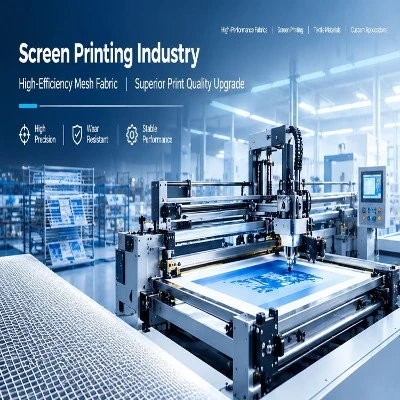
Screen printing technology has matured significantly over the years; due to its wide range of applications, it has long been highly popular among users.