



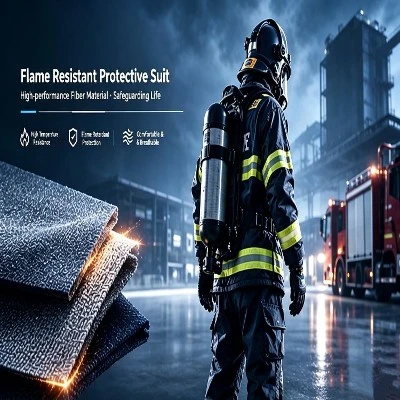

Firefighters must select the appropriate protective gear based on the specific rescue scenario. Firefighting suits are essential attire for fire rescue operations. Technical rescue suits provide bodily protection during operations involving building collapses, confined spaces, and climbing rescues. Bee-protection suits are worn by firefighters when removing hornet or wasp nests. Fire-approach suits are specifically designed for firefighters to enter fire zones for short periods to conduct firefighting and rescue operations. Heat-insulating suits are made of aluminum foil and offer protection against radiant heat of approximately 1000°C. Water rescue suits are suitable for physically demanding rescue operations. Chemical protective suits are categorized into heavy-duty and light-duty types and are used in environments involving hazardous chemicals.
Firefighting suits are not suitable for extreme heat environments-such as bushfires, wildfires, or forest fires-nor do they provide protection for the head, hands, or feet.
Gear must be inspected for integrity before use; use is strictly prohibited if any damage is found.
Firefighters should don the gear in the following order: Trousers, boots, jacket, helmet, and safety belt. Ensure all zippers and fasteners are properly secured and the helmet strap fits snugly against the chin.
Inspect the gear promptly after use; discard and replace any items found to be damaged. Soiled suits may be washed with warm soapy water, rinsed with clean water, and air-dried; the use of boiling water or drying over an open flame is prohibited. Store the gear in a well-ventilated, dry, and clean warehouse, protecting it from rain, moisture, and direct sunlight. Avoid contact with oil, acids, alkalis, flammable or explosive materials, and corrosive chemical gases. Under normal storage conditions, the gear should be inspected annually.