


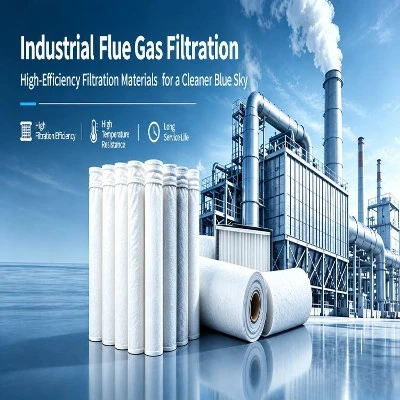


Fibers possess two primary characteristics: First, they are so fine that they cannot be directly observed with the naked eye, typically having diameters ranging from a few to several tens of microns (or even finer); second, they exhibit a high aspect ratio-ranging from tens or hundreds to tens of thousands, or even theoretically approaching infinity, depending on the fiber type. This gives them distinct mechanical properties associated with length; for instance, they undergo localized, minor deformation during bending or twisting, yet exhibit significant deformation during overall stretching, even within the elastic range. In short, a fiber is defined as a material that is both fine-with a diameter invisible to the naked eye-and long, possessing a length-to-diameter ratio exceeding several tens.
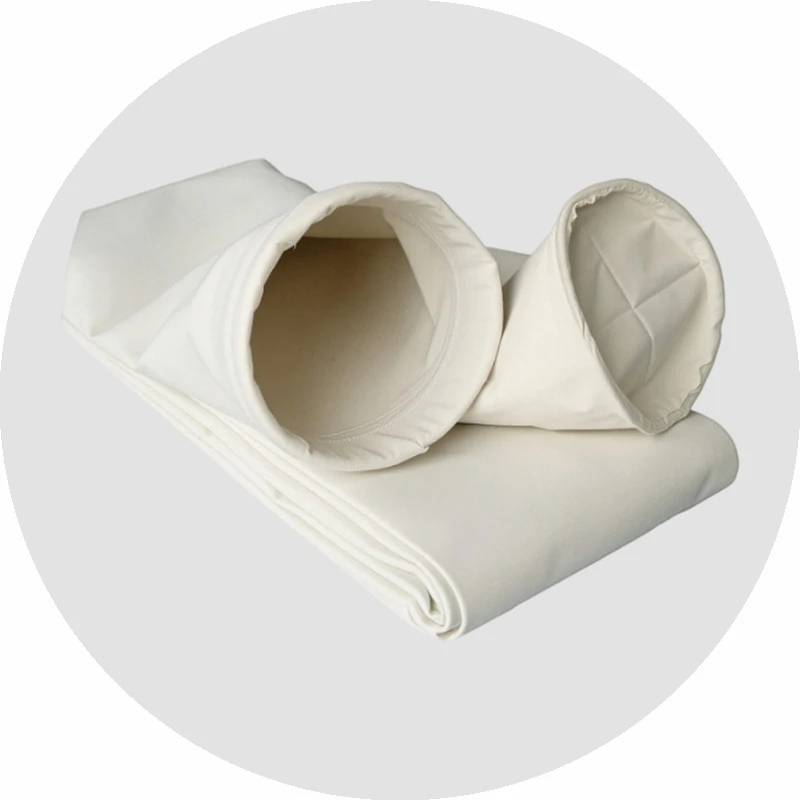
Chemical Fibers
Polyester yarn is classified as a synthetic fiber, a subset of chemical fibers. Chemical fibers are produced through chemical processing and are categorized into three types: man-made (regenerated) fibers, synthetic fibers, and inorganic fibers. Among these, synthetic fibers differ fundamentally in chemical composition from natural fibers; they are created by first synthesizing monomers from raw materials such as petroleum, coal, or natural gas, and subsequently processing them into fibers using chemical synthesis and mechanical methods. Polyester (polyethylene terephthalate, or PET) is one of the most widely produced and utilized synthetic fibers.