


Industrial Dust Filtration: A Practical Guide to Needle Punched Filter Felt
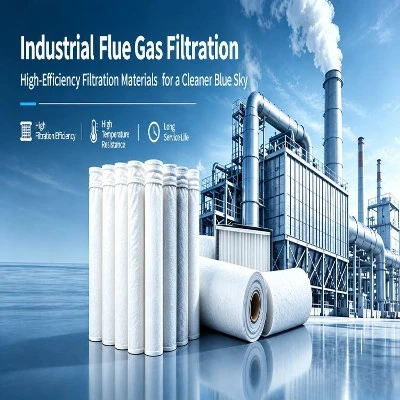
Industrial dust filtration depends on matching the filter material with the working temperature, chemical environment and dust conditions. Needle punched filter felt is widely used in baghouse dust collectors because its porous structure provides air permeability while the finished surface supports effective dust cleaning.
What Is Needle Punched Filter Felt?
Needle punched filter felt is a nonwoven filtration material made by mechanically entangling fibers into a three-dimensional structure. The supplied material describes room-temperature needle punched felt as having moderate temperature resistance, good wear and flex resistance, good air permeability and a smooth finished surface that supports dust release during cleaning.
Common room-temperature products include polyester needle felt, easy-cleaning needle punched felt, PTFE membrane needle punched felt, antistatic polyester felt, and oil- and water-repellent needle punched felt. These materials are used in dust collection applications across steel, cement, chemical, carbon black and power-related industries.
Filter Material Selection by Working Temperature
Temperature is one of the key factors when selecting industrial filter felt. The supplied technical material groups high-temperature chemical-fiber felts into PPS, aramid, P84 and PTFE series, with operating temperatures depending on the specific fiber and construction.
|
Material |
Basis Weight |
Thickness |
Continuous / Instant |
Typical Focus |
|
PPS |
400–650 g/m² |
1.4–2.2 mm |
160 / 190°C |
Acidic and sulfur-containing flue gas |
|
P84 |
500–600 g/m² |
1.8–2.4 mm |
250 / 280°C |
Complex high-temperature dust conditions |
|
PTFE |
650–800 g/m² |
0.8–1.2 mm |
240 / 260°C |
Harsh chemical and flue-gas environments |
|
Aramid |
450–550 g/m² |
1.7–2.4 mm |
204 / 240°C |
High-temperature gas filtration |
Source note: The temperature and specification values above are transcribed from the supplied document; actual service conditions should be matched to the selected product.
PPS, Aramid, P84 and PTFE Filter Felt
PPS needle punched felt is made from polyphenylene sulfide fiber through three-dimensional needle punching. The document states that it can be used around 190°C for long-term operation and highlights its chemical stability and suitability for sulfur-containing flue gas. Typical applications include coal-fired boilers, power plants, waste incineration and acidic flue-gas filtration.
Aramid needle punched felt uses aromatic polyamide fiber. The supplied material gives a long-term temperature of 204°C and an instantaneous temperature of 240°C, with strong alkali resistance and moderate acid resistance. It is intended for high-temperature gas filtration in steel, cement and chemical industries.
P84 needle punched felt uses polyimide fiber and is described as offering high-temperature resistance up to 260°C. Its irregular leaf-shaped fiber cross-section is intended to support filtration performance. It is used in concrete mixing, cement, waste incineration and coal-fired boiler applications.
PTFE needle punched felt is made from PTFE fiber and formed through three-dimensional needle punching. The source material emphasizes its temperature resistance, wear resistance, corrosion resistance and chemical stability for demanding flue-gas environments.
Room-Temperature Filter Felt for Specialized Conditions
Not every dust collection system requires a high-temperature fiber. For humid or oily flue gas, oil- and water-repellent needle punched felt is described as helping reduce condensation and filter blinding. Antistatic polyester felt incorporates conductive fiber and is intended for dust conditions involving coal flour, flour, chemical dust and high concentrations of flammable or explosive dust.
PTFE membrane needle punched felt combines a membrane surface with ordinary filter material. The supplied document describes its smooth surface, chemical resistance, surface filtration characteristics, high peel strength and high air permeability, with concentrated pore distribution for fine dust retention.
Applications Across Industrial Dust Collection
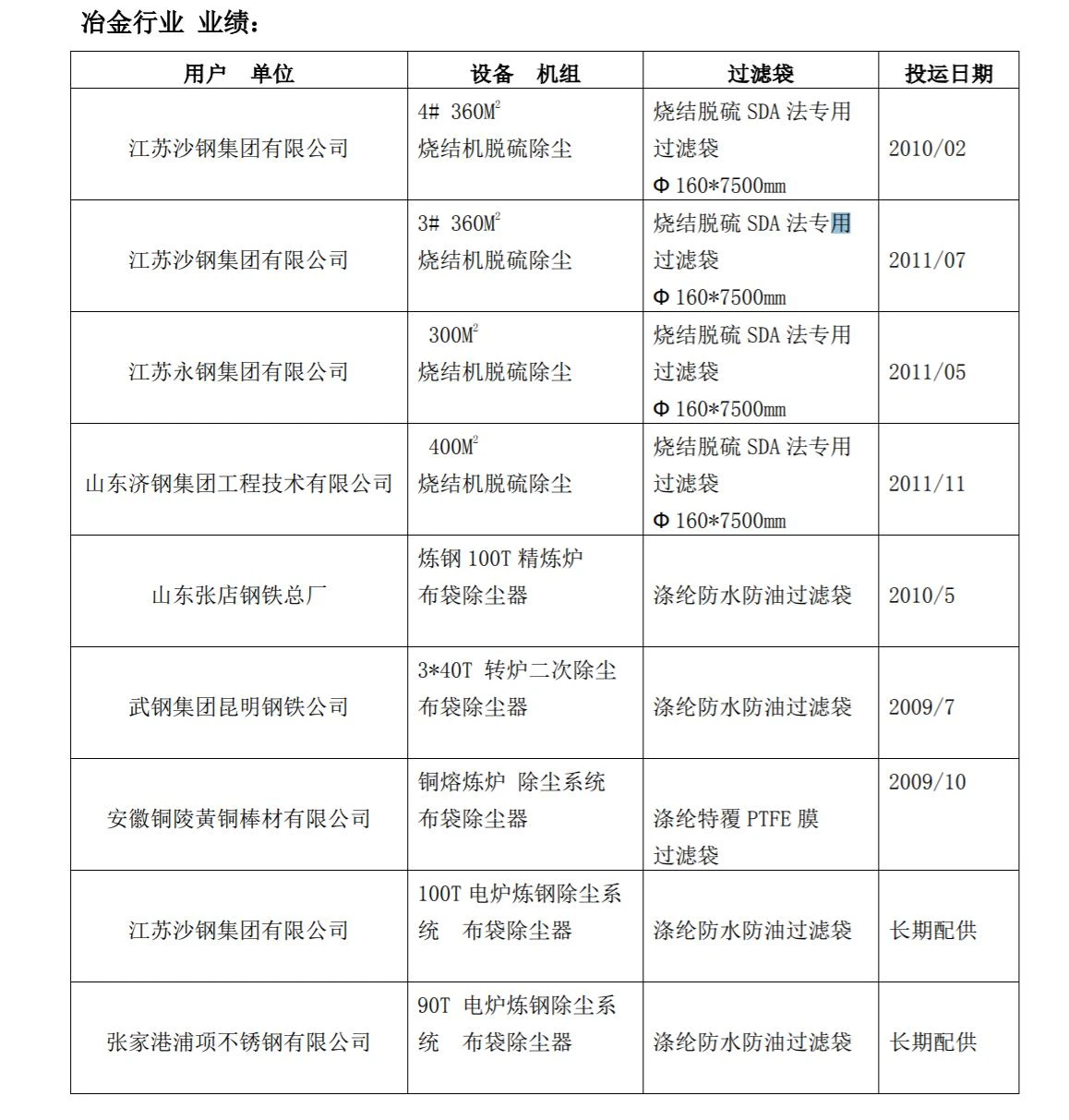
The supplied company material describes a full production chain covering fibers, filtration materials and filter bags. The products are used across metallurgy, steel, cement, machinery, chemical, power and other industries, with high-temperature and corrosion-resistant materials targeted at more demanding conditions.
For buyers, the practical selection process starts with the actual operating temperature, followed by the flue-gas chemistry, moisture or oil content, dust characteristics and cleaning conditions. The filter felt should then be selected according to the required performance and application.
Why Material Matching Matters
A filter material should not be selected by temperature alone. Different fibers offer different combinations of temperature resistance, chemical stability, mechanical durability, air permeability and cleaning behavior. PPS, aramid, P84 and PTFE therefore serve different high-temperature filtration needs, while polyester-
Partners and Track Record
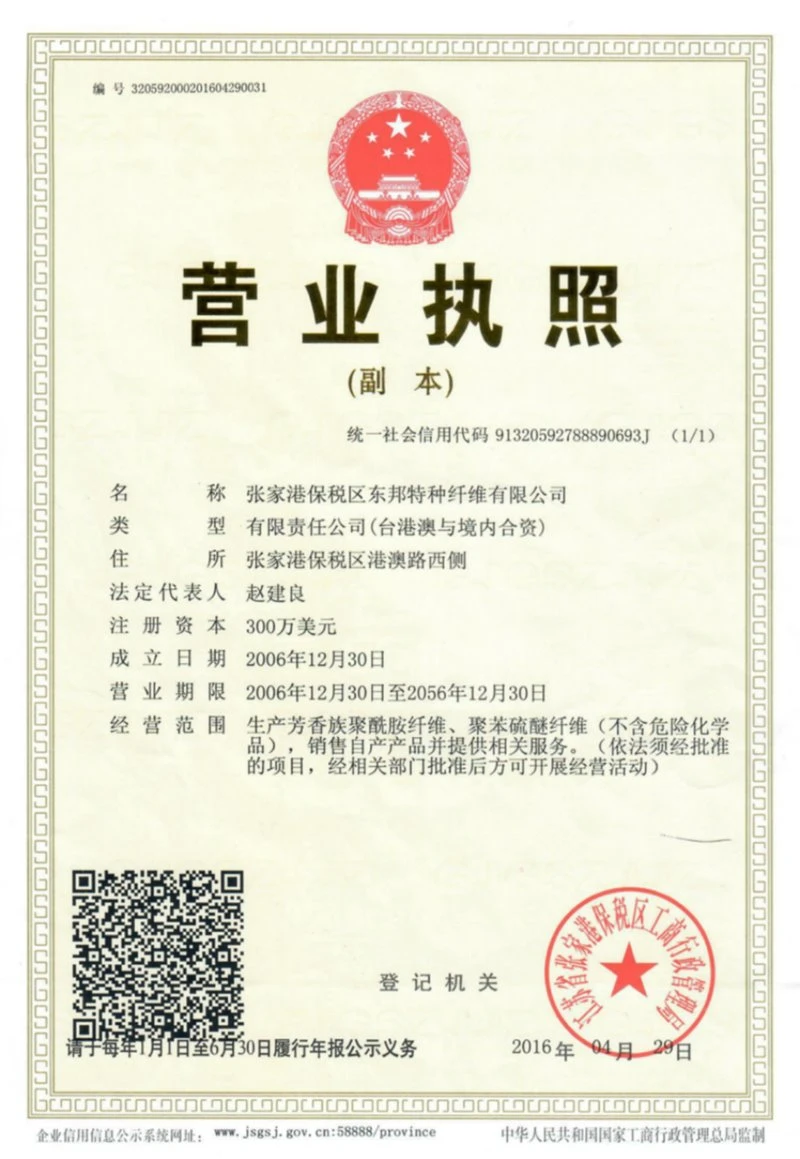
In 2005, production reached 350,000 square meters of needle-punched filter media and 80,000 filter bags.
In 2009, production rose to 650,000 square meters of needle-punched filter media and 150,000 filter bags.
In 2012, a second production line was commissioned, increasing annual output to 1.8 million square meters of filter media and 340,000 filter bags.
In 2016, output was 1.65 million square meters of filter media and 320,000 filter bags (production of standard filter media was reduced, while capacity for high-temperature and corrosion-resistant filter bags was increased).
In 2017, output was 1.55 million square meters of filter media and 280,000 filter bags (production of standard filter media was reduced, while capacity for specialized, high-temperature, and corrosion-resistant filter bags was increased). The product range became comprehensive, covering ambient-temperature, high-temperature, corrosion-resistant, and specialty-use filter bags.
In 2025, annual revenue exceeded 100 million yuan.
Annual turnover
| Year | Domestic (ten thousand yuan) | Exports (ten thousand yuan) | Total Amount (ten thousand yuan) |
|
2009 |
3200 |
330 |
3550 |
|
2012 |
3500 |
850 |
4350 |
|
2014 |
3900 |
1100 |
5000 |
|
2016 |
3500 |
1500 |
5000 |
|
2017 |
3550 |
1850 |
5400 |
|
2019 |
4980 |
1900 |
6880 |
|
2021 |
6500 |
2000 |
8500 |
|
2025 |
8500 |
3500 |
12000 |
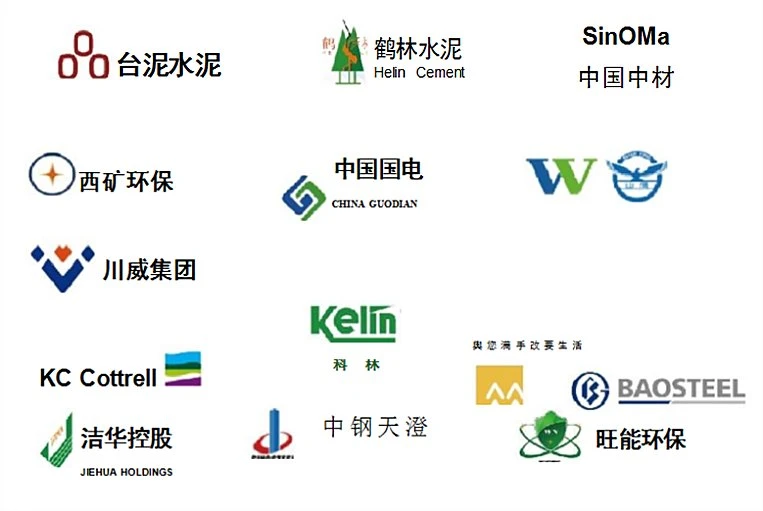
Valued customers
Conclusion
Needle punched filter felt remains an important solution for industrial dust filtration because its structure and fiber selection can be adapted to different operating environments. From polyester and acrylic products to PPS, aramid, P84 and PTFE high-temperature felts, choosing the right material starts with a clear understanding of the actual filtration conditions.
For industrial filter material projects, buyers can provide operating temperature, dust type, flue-gas conditions and application details to help suppliers recommend a suitable filter felt construction.