

High-Tension Screen Printing Mesh for Precision Electronics Printing
High-Tension Screen Printing Mesh for Electronics | 60-420 Mesh
Meta Description
High-tension screen printing mesh from 60-420 mesh for precision electronics printing, with high tension, low elongation, uniform openings and customization options.
High-Tension Screen Printing Mesh for Precision Industrial Printing
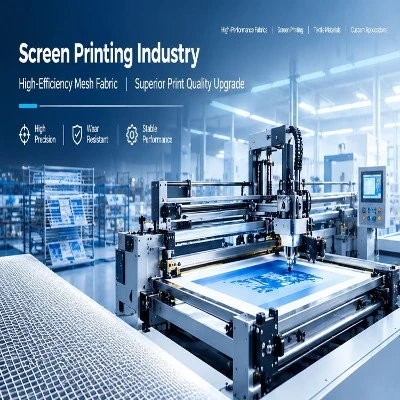
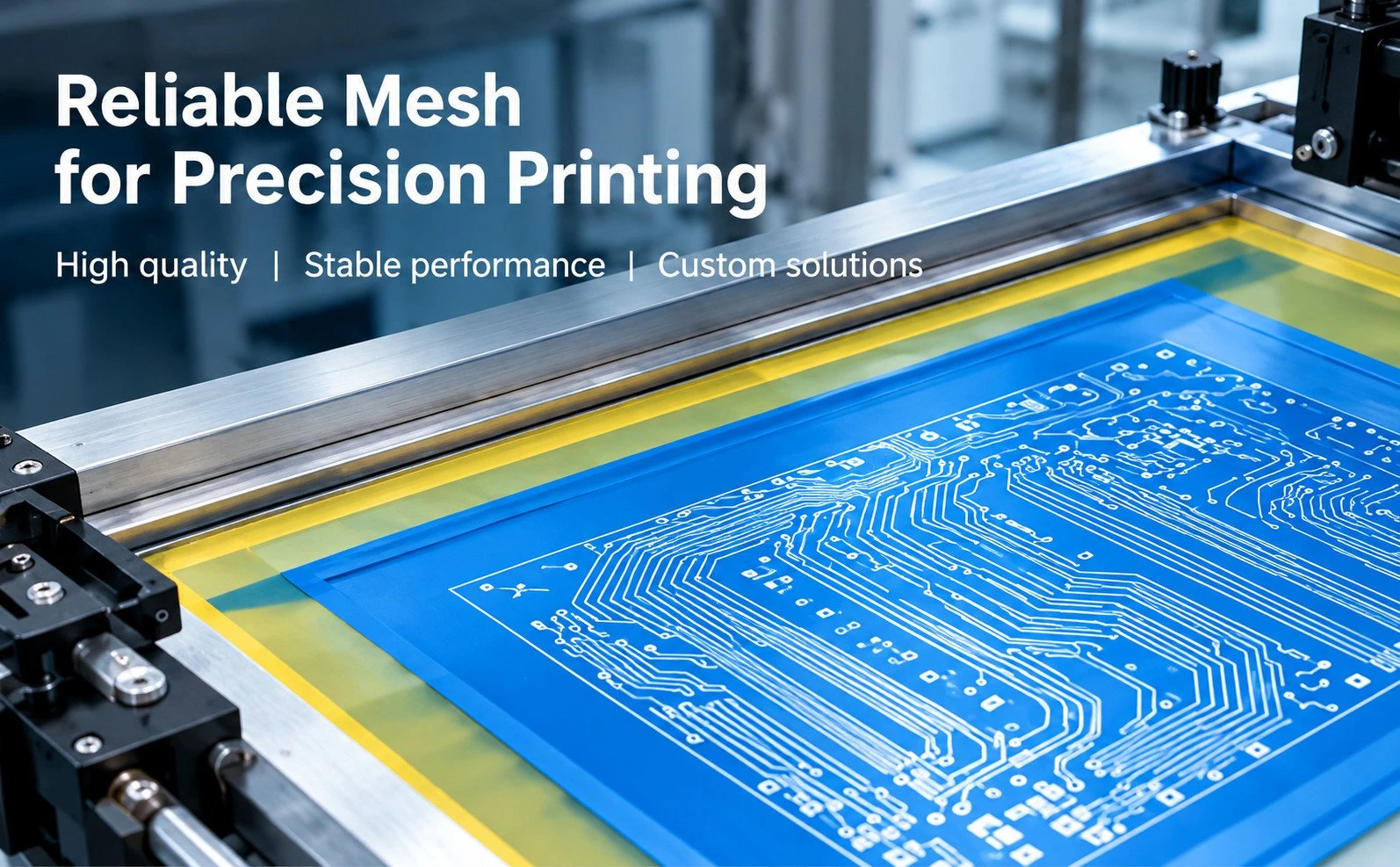
Screen printing plays an important role in precision industrial printing, especially where fine patterns and consistent registration are required. High-tension screen printing mesh is a key base material for making screen stencils and directly affects the quality and stability of the printing process.
Our high-tension screen printing mesh covers 60-420 mesh and is produced with precision weaving technology. The mesh is designed with high tension, low elongation, uniform openings and good ink release performance, helping printers achieve sharp patterns and reliable registration in mass-production environments.
Why High-Tension Mesh Matters in Precision Screen Printing
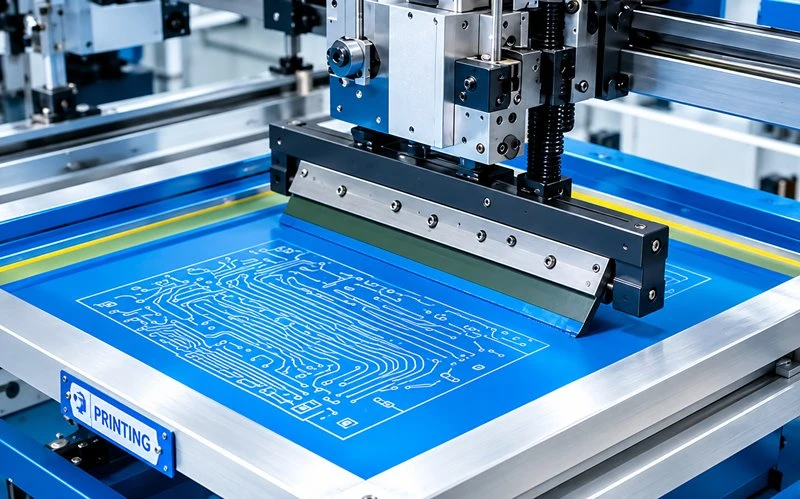
For industrial screen printing, the mesh must maintain a stable structure during stencil making and printing. High tension and low elongation help the screen maintain its intended geometry, while uniform mesh openings support consistent ink transfer. Together, these characteristics help improve line definition and registration accuracy.
Key Features
|
Feature |
Application Value |
|
60-420 Mesh Range |
Suitable for different precision screen-printing requirements. |
|
High Tension |
Supports stable screen performance during stencil making and printing. |
|
Low Elongation |
Helps reduce dimensional changes during printing. |
|
Uniform Mesh Openings |
Promotes consistent ink transfer and clear printed patterns. |
|
Good Ink Release |
Supports clean and efficient transfer of printed ink. |
|
Customization |
Mesh count, width and color can be customized according to requirements. |
Technical Parameters
|
Parameter |
English Specification |
|
Product |
High-Tension Screen Printing Mesh |
|
Mesh Count |
60-420 mesh |
|
Manufacturing |
Precision weaving |
|
Key Properties |
High tension; low elongation; uniform mesh openings; good ink release |
|
Customization |
Mesh count, width and color |
Applications in the Electronics Industry
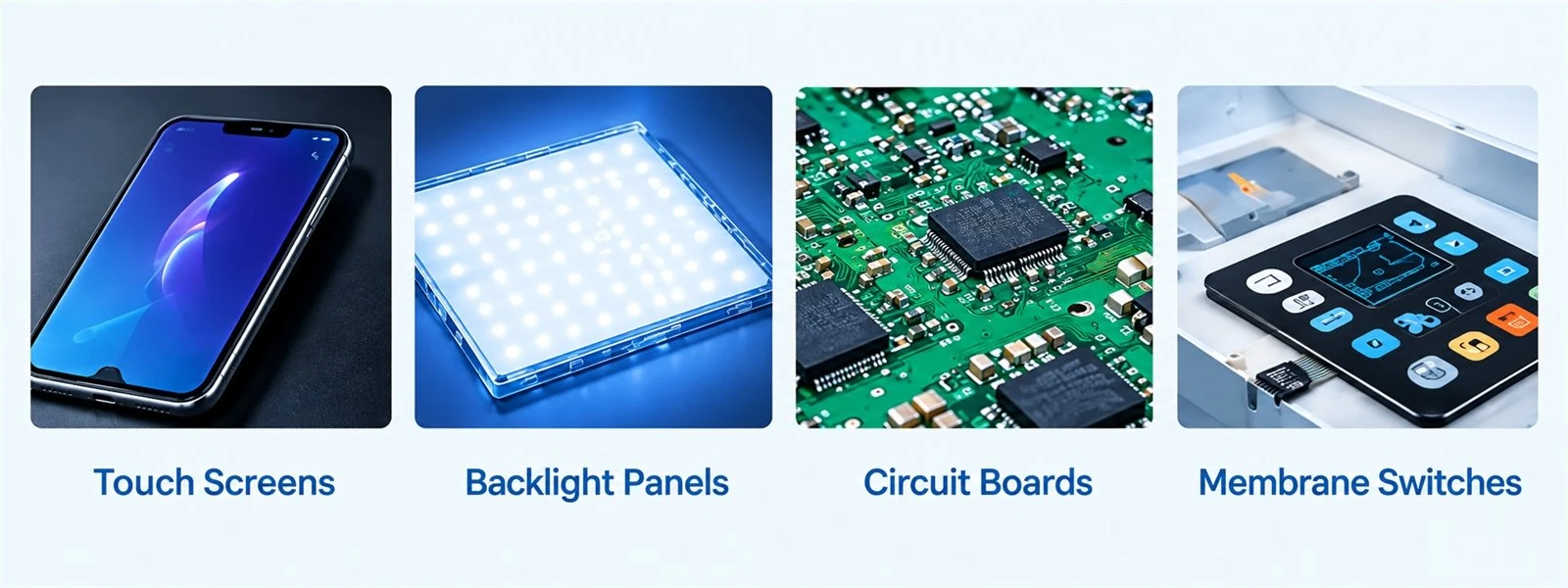
High-tension screen printing mesh is mainly used for precision printing in electronics manufacturing. Typical applications include touch screens, backlight panels, circuit boards and membrane switches. It can also be used for printing conductive inks and circuit patterns where stable, fine printing performance is required.
Beyond electronics, the mesh can also be used in printing applications involving ceramics, glass, signs and packaging materials, making it suitable for a range of precision industrial printing processes.
Customization for Different Screen-Making Requirements
Screen-making requirements vary by product, printing process and equipment. We support customization of mesh count, width and color, allowing customers to select a mesh configuration that fits their stencil-making requirements.
How to Choose the Right Screen Printing Mesh
Define the printing application
Identify the substrate, pattern type and printing process.
01
Select the mesh count
Choose a suitable mesh count within the 60-420 mesh range based on the required printing detail.
02
Confirm screen dimensions
Check the required width and screen-making dimensions.
03
Discuss customization
For specific projects, confirm mesh count, width and color requirements before production.
04
Conclusion
For precision screen printing, mesh stability is an important part of consistent production. With a 60-420 mesh range, precision weaving, high tension, low elongation, uniform openings and good ink release, our high-tension screen printing mesh is designed for demanding industrial printing applications. Contact us with your required mesh count, width and color to discuss a suitable configuration.