

Green Hydrogen & Alkaline Water Electrolysis: Understanding Electrolyzer Diaphragm Technology
Green Hydrogen and the Growing Hydrogen Industry
Green hydrogen is produced by splitting water through electrolysis using renewable electricity. As renewable energy develops, water electrolysis is becoming an important route for low-carbon hydrogen production. The industry is also moving toward larger electrolyzers, better efficiency, and more reliable key materials.
Why Alkaline Water Electrolysis Matters
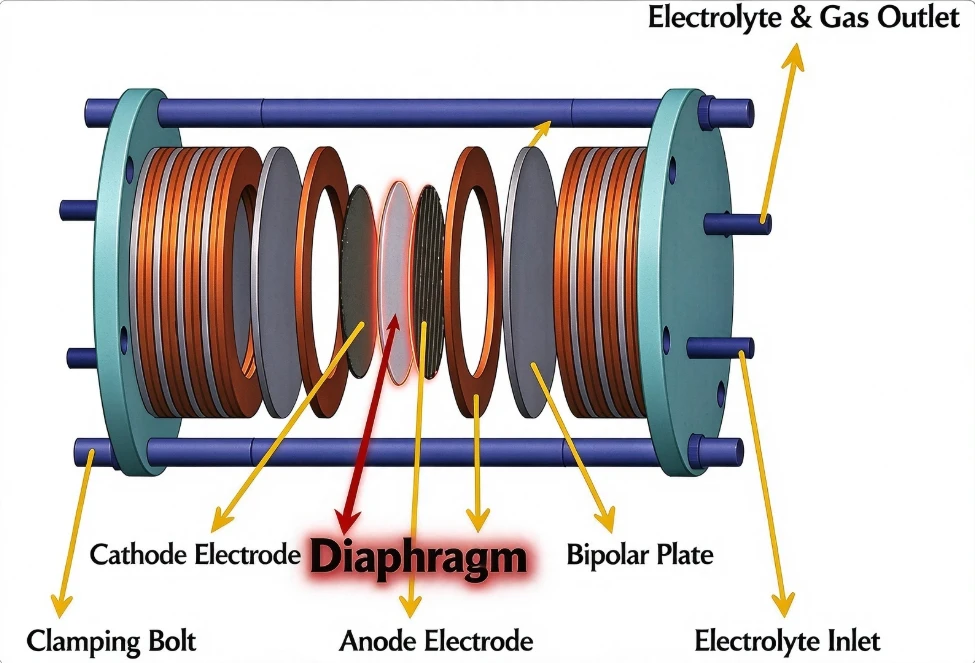
Alkaline water electrolysis is one of the more established water electrolysis technologies. In an alkaline electrolyzer, hydrogen and oxygen are generated at different electrodes. A diaphragm is placed between them to support ionic transport while helping keep the two gases separated. This makes the diaphragm an important functional material inside the electrolyzer.

The Role of an Electrolyzer Diaphragm
A diaphragm needs to balance several properties at the same time. Good hydrophilicity helps electrolyte wetting and ion transport. High gas-tightness helps reduce gas crossover and maintain gas purity. Low area resistance can help reduce electrical losses. Chemical stability and mechanical durability are also important for long-term operation.
PPS Diaphragm Technology
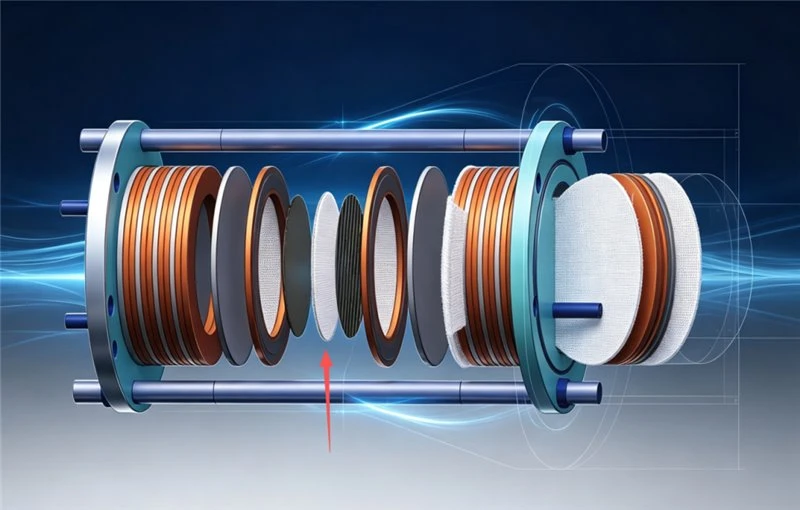
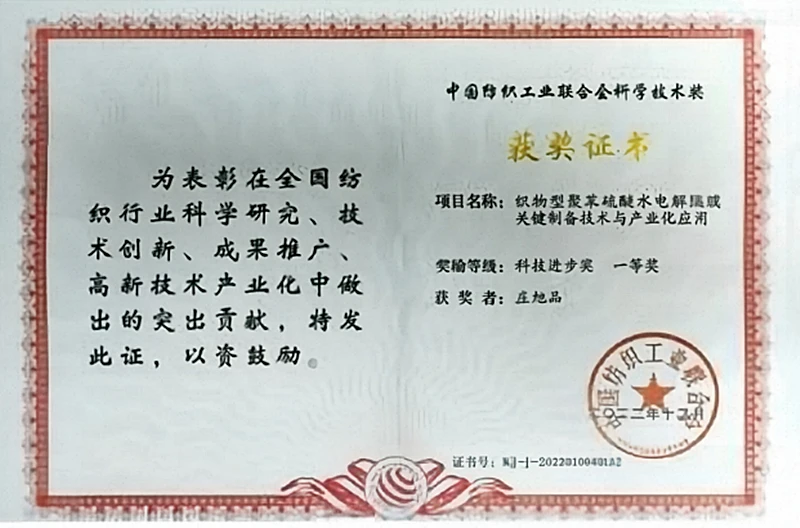
Polyphenylene sulfide (PPS) is being explored for high-performance alkaline electrolysis diaphragms. The project materials describe a second-generation fabric-type PPS diaphragm and a third-generation composite diaphragm base membrane. Key development directions include PPS fiber hydrophilic modification, fabric structure control, micropore regulation, and integrated coating technology.
What Determines Diaphragm Performance?
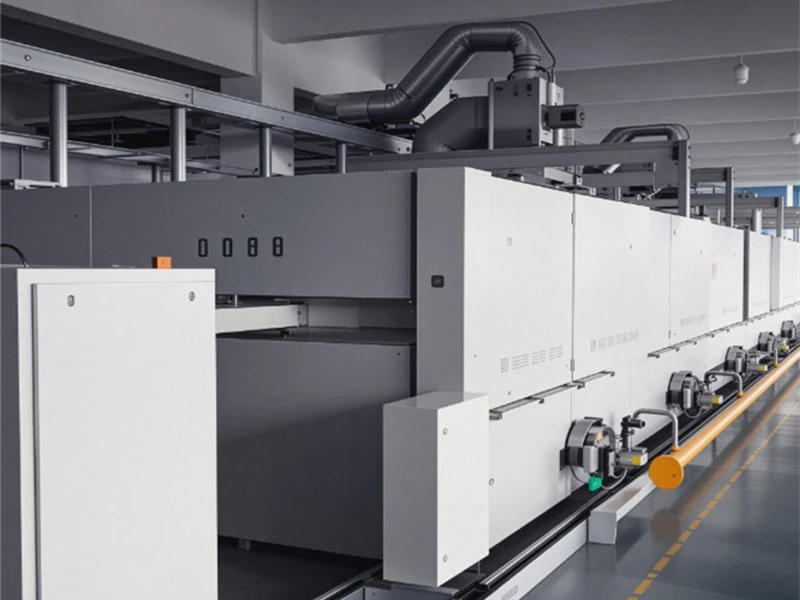
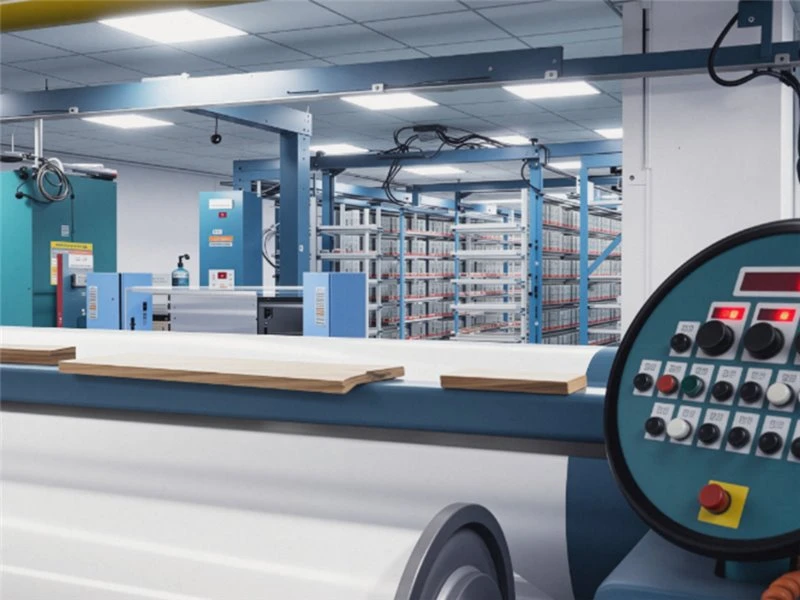
Diaphragm performance is closely related to material structure and manufacturing. Fiber properties, yarn processing, fabric construction, pore structure, and coating all influence the final result. The presented manufacturing route integrates spinning, advanced yarn processing, precision fabric control, and diaphragm coating.
Key Performance Indicators
When evaluating an alkaline electrolyzer diaphragm, buyers should look beyond a single specification. Important indicators include gas-tightness, hydrophilicity, area resistance, alkali resistance, cell voltage, and hydrogen and oxygen purity. The project comparison reports a gas-tightness above 680 mmH₂O, hydrophilicity below 1 second, and hydrogen purity of 99.95% for the HydroFab-680 type under the stated test conditions.
Choosing the Right Diaphragm for an Electrolyzer
For an electrolyzer project, diaphragm selection should match the complete operating system. Buyers may consider electrolyte conditions, operating pressure and temperature, cell design, electrode configuration, required gas purity, durability, and supply consistency. Laboratory data is useful, but performance should ultimately be evaluated under the intended operating conditions.
Outlook for Green Hydrogen Materials
The development of green hydrogen is not only about renewable power and electrolyzer stacks. Functional materials such as diaphragms and sealing components also affect system performance. As the industry scales up, continued improvement in material design, manufacturing consistency, and system integration will be important for more efficient and reliable hydrogen production.
Past Projects